It’s hard to look around at the moment and not feel a bit uneasy about where things are heading.
More conflict, more disruption, and more reminders that a lot of the systems we’ve built our lives around are far more fragile than we like to admit.
But if there’s one thing New Zealand has shown time and again, it’s that we tend to do our best work when conditions are tough and the path forward isn’t signposted. Moments like this are a chance to choose confidence over complacency.
Energy resilience is one of those things we need to be talking about. We can’t control global politics or overseas supply chains, but we can control how exposed we are to them. Doubling down on oil, gas or massive, high-risk projects would lock us into expensive systems that rely on imports and long timelines.
Playing to our strengths makes far more sense. Wind, sun and water are already here. Once the infrastructure is built, the energy itself is local, predictable and far less vulnerable to global shocks.
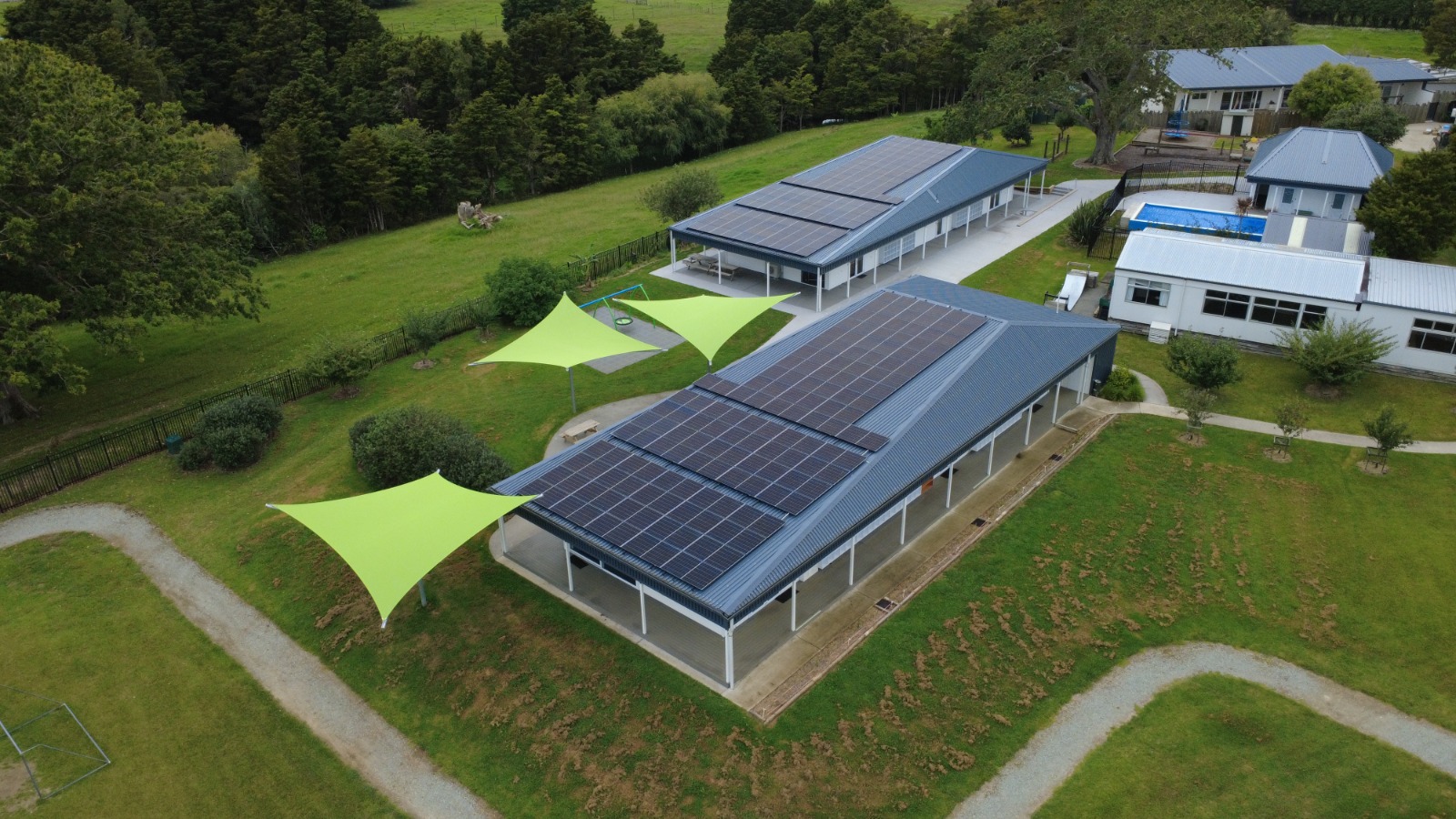
That’s where SUPA comes in. We’re not just about putting solar panels on buildings. We’re about building energy systems that actually make communities, schools and businesses more resilient. Locally generated power helps lower costs and keeps money circulating where it’s earned.
For businesses, it brings a bit of certainty in a world where energy prices can jump around without warning. And in emergencies, having distributed energy means we’re not all relying on a single point of failure. Schools, halls and community hubs can potentially stay up and running when they’re needed most.
This isn’t about fear or doom. It’s about backing ourselves and backing each other. We’ve been here before. When things get hard, Kiwis adapt, pull together and build solutions that suit who we are and where we live. Electrifying more of our lives and investing in shared, local energy through models like SUPA is a practical, optimistic step in that direction.
Resilience doesn’t have to be loud or divisive. Sometimes it’s built piece by piece, community by community, and it leaves us better prepared for whatever comes next.