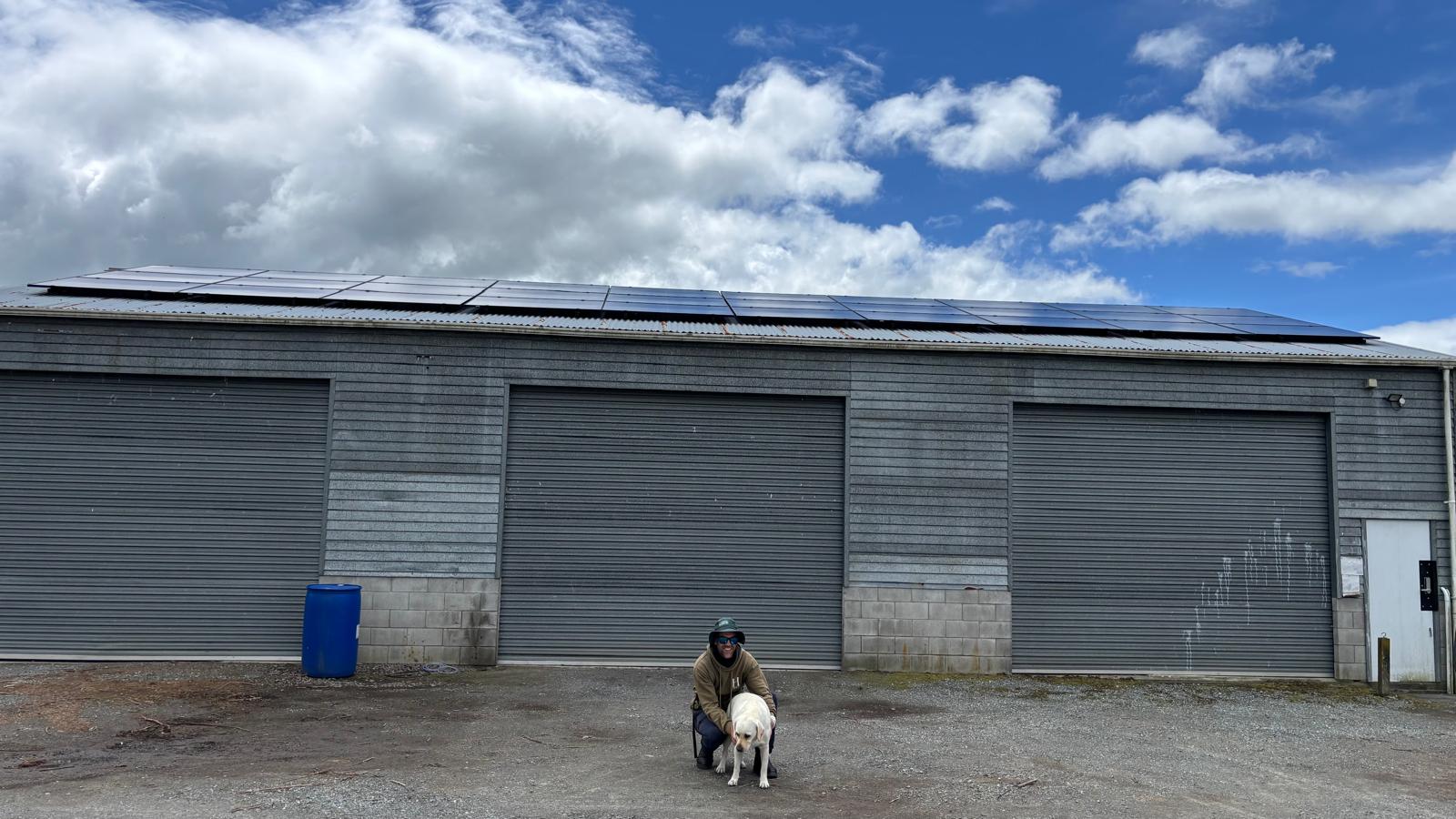
A new SUPA energy hub is now live at James Hart’s family-owned and operated kiwifruit farm near Whakatāne, and it’s a strong example of how local energy can support rural businesses in a very practical way.
Farms depend on consistent, affordable power to keep things running smoothly. When the grid goes down, or costs spike, there’s often no easy workaround. Pumps stop, cool stores become vulnerable, and operations slow or stall altogether. For many rural properties, long distribution lines and limited infrastructure mean outages are more frequent and fixes take longer.
A local energy hub changes that equation. By generating power close to where it’s used, farms can reduce their reliance on distant infrastructure, improve resilience, and gain more control over their energy future. It’s not about cutting the grid out entirely, but about strengthening what’s already there and making it work better for rural communities.
James represents a new generation of farmers who are open to smarter, more resilient systems. His SUPA install is now up and running, and he’s been generous enough to offer himself as a reference for other growers who want to understand how local energy could work for them. That peer-to-peer conversation matters, especially in agriculture and horticulture, where trust and real-world experience count.
For farms and rural businesses, energy reliability is directly tied to productivity and peace of mind. As more local energy hubs come online, we’re starting to see how community-based generation can support the people who grow our food and keep regional economies moving.
If you’re running a farm or rural business and finding the grid unreliable or increasingly expensive, it might be time to look at local energy. Get in touch with SUPA for a chat, or we can connect you with James for a yarn about what the experience has been like on the ground.