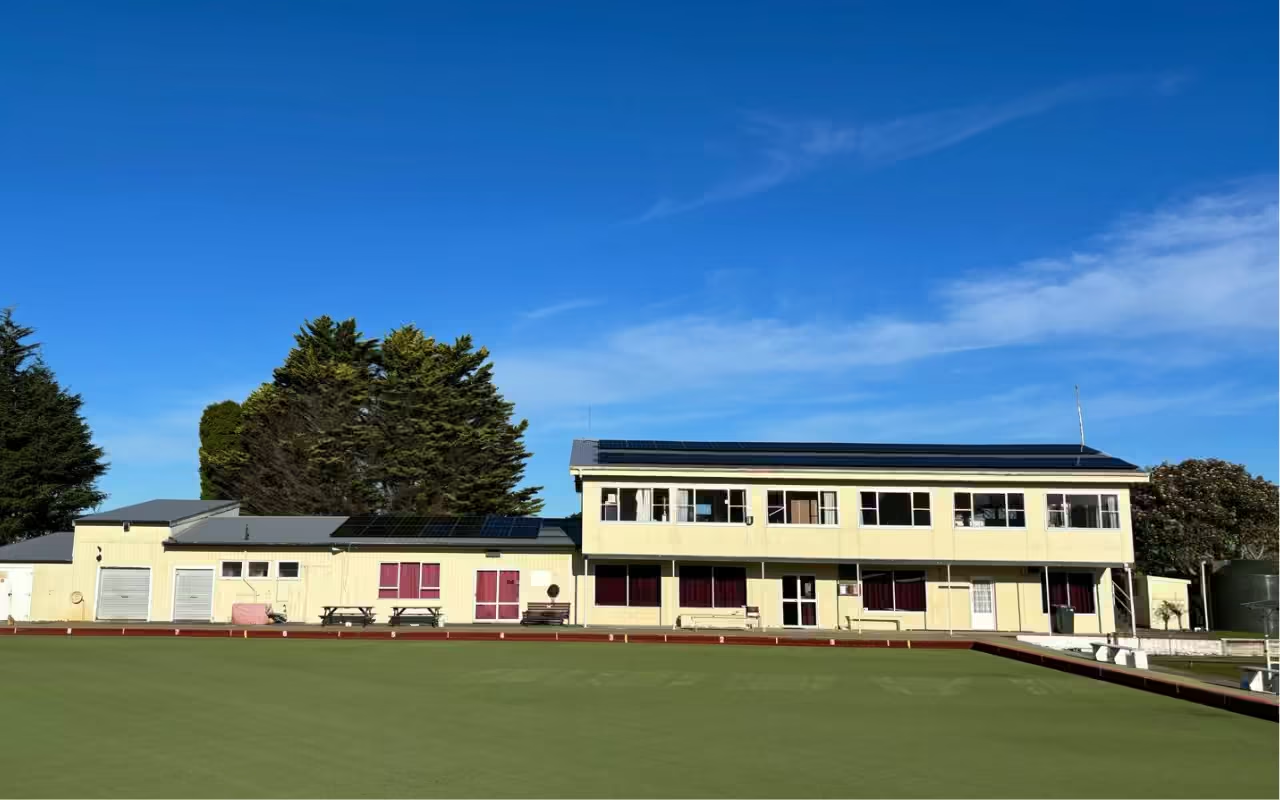
Kaikohe Bowling Club is the kind of place that quietly holds a community together. It is not flashy, it is not well resourced, and like a lot of community clubs around the country, it was doing things tough. Rising costs were biting hard and the roof was in rough shape. Not “needs a bit of work” rough, but genuinely at risk of becoming a bigger problem the club could not afford to fix.
When SUPA first started talking with the club, it quickly became clear that this was about more than electricity. Without intervention, the future of the club itself was uncertain. Energy bills were a pressure, the building needed urgent attention, and there was very little spare capital to work with.
So we took a different approach. Rather than asking the club to somehow fund an energy system it could not afford, we replaced the roof and turned it into a community energy hub. The club gained a safe, weatherproof building and a solar system that powers the clubhouse during the day and exports clean energy into the local community at fairer prices.
In other words, the roof that was once a liability became an asset.
We went back up to Kaikohe for the club’s 100th anniversary, and that was the moment it really landed for us. Sitting down with members, listening to their stories, and hearing the same thing repeated again and again. That this project had made a massive difference. Not just to the club’s finances, but to morale, pride, and a sense that the club had a future again.
People spoke about the relief of having the roof sorted, the confidence of knowing energy costs were under control, and the pride in being able to say their club was now helping power the town. That shift, from barely staying afloat to actively giving back to the community, is what community energy should look like.
For SUPA, Kaikohe Bowling Club is one of those projects that stays with you. It is a reminder that the energy transition is not just about kilowatts and carbon. It is about keeping community places alive, restoring dignity, and making sure the benefits of clean energy are felt by the people who need them most.
Sometimes the biggest impact comes from backing the places that have been holding communities together all along.