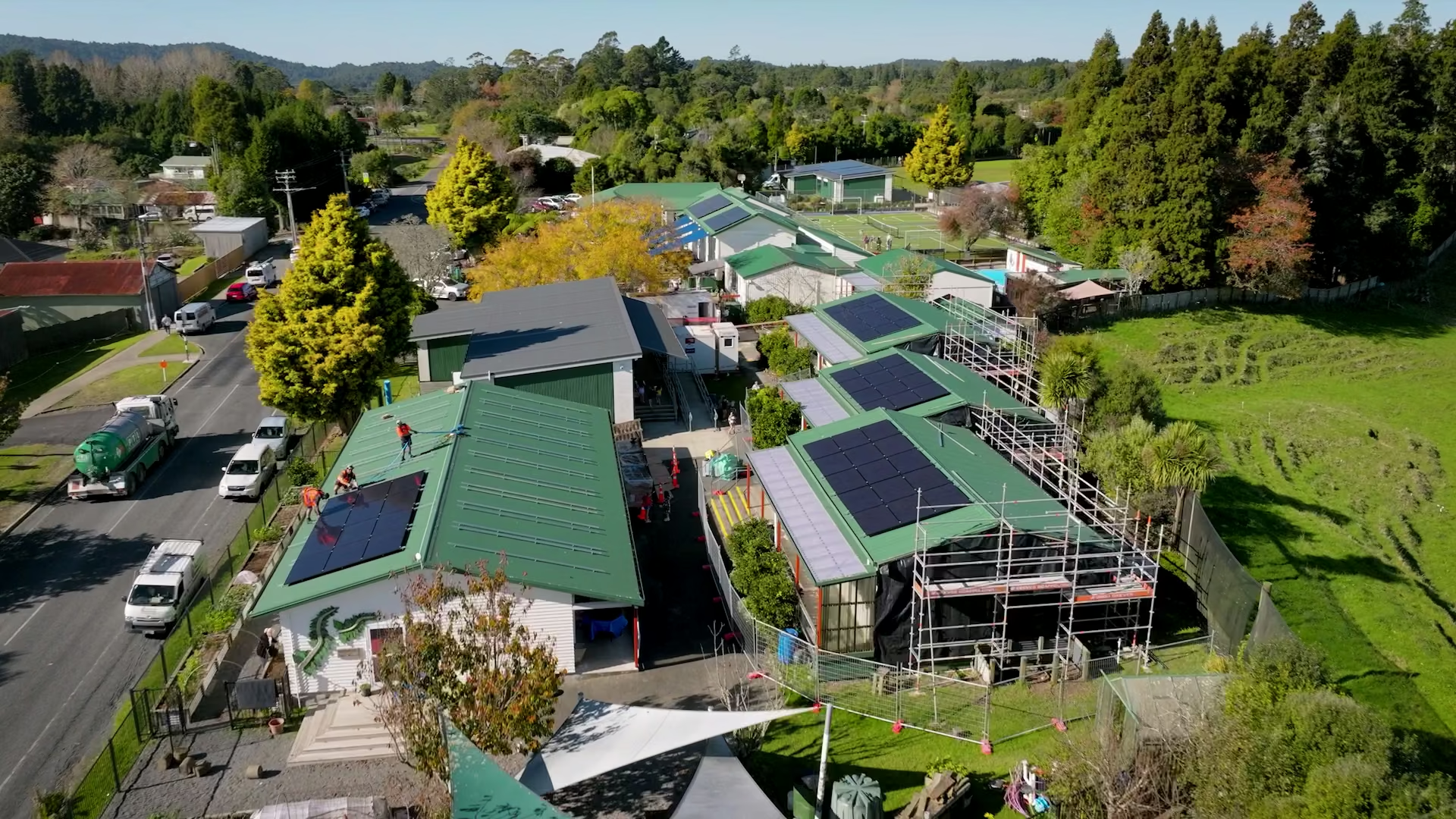
This ethos is already deeply embedded at Oropi School. From its nationally recognised outdoor learning environments to its award-winning Garden to Table programme, sustainability is not a bolt-on, it is part of everyday life. That commitment has been recognised with multiple TECT community awards, but for the Board, this was never about ticking boxes or collecting plaques. It was about constantly asking what the next meaningful step should be.
By late 2024, that next step became clear. If the school was serious about teaching kaitiakitanga and future-focused thinking, then its energy use needed to reflect that too. Cleaner, greener power that reduced both carbon emissions and long-term costs made sense, but like many schools, upfront capital was a real barrier.
That is where SUPA came in. Rather than treating the project as a standalone solar install, we worked with the Board to design a community energy system that could do more than just power the school. The idea was simple but powerful. Generate clean energy during the day for classrooms, learning spaces and facilities, then export surplus power into the local community so nearby homes and small businesses could access cheaper, locally produced electricity.
To make it viable, we paired the system with our Smart Ease Payment Plan. This removed the need for any upfront capital, allowing the school to spread the cost through manageable monthly payments, offset by energy savings and export revenue. It meant the decision could be made based on long-term outcomes, not short-term budget pressure.
Installation was completed in May 2025. The system includes 128.8kW of solar paired with an 88.4kWh battery, designed to generate around 158,503kWh of clean energy each year. It also provides two to three days of backup power during outages and supplies locally generated electricity to an estimated 37 nearby homes.
Most importantly, the project stacks up financially. Thanks to the Smart Ease Payment Plan, Oropi School is expected to be cash-flow positive while lowering its emissions, strengthening local energy resilience, and turning its sustainability values into something students can see, touch and learn from every day.
This is what community energy looks like when it is done properly. Not just panels on a roof, but infrastructure that supports education, affordability, resilience and the wider community, all at the same time.